
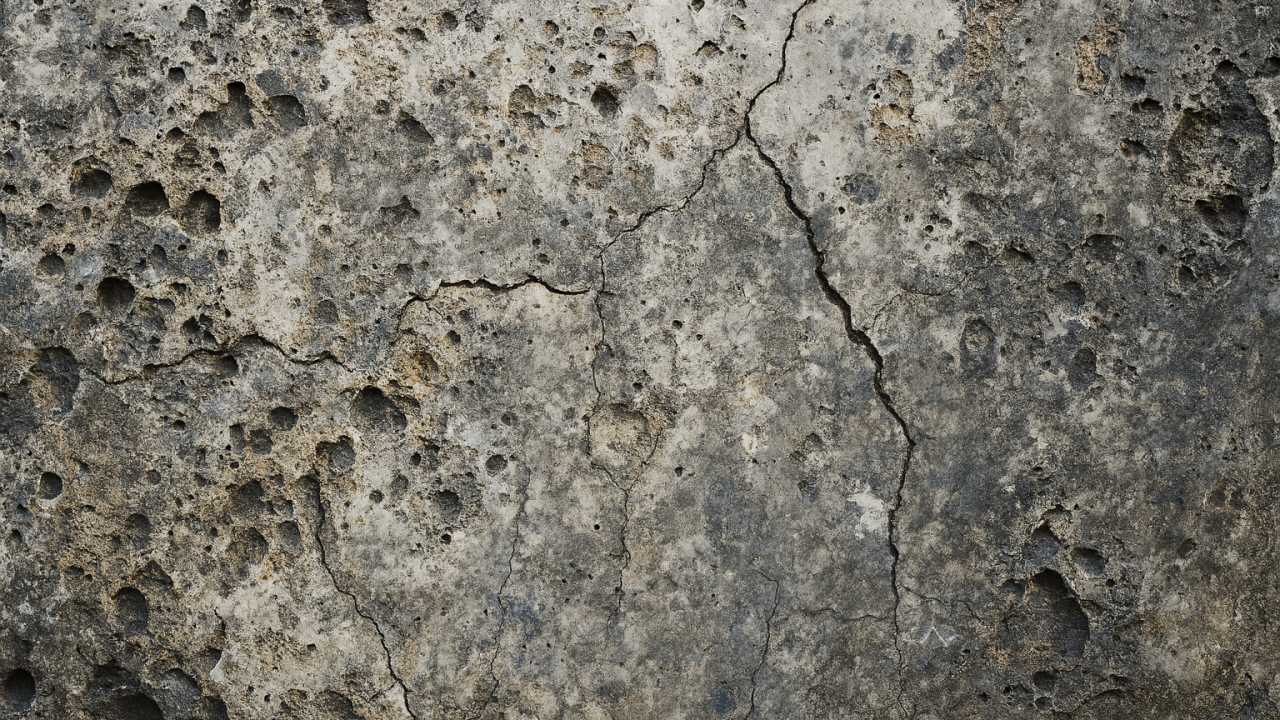
Concrete serves as the foundation of industrial operations — literally and figuratively. From plant floors to equipment foundations and secondary containment systems, it’s the workhorse material that keeps facilities running. Its versatility and cost-effectiveness make it indispensable, but when harsh chemicals enter the equation, concrete damage is certain.
The Hidden Vulnerability of Industrial Concrete
While concrete excels in most industrial applications, chemical exposure creates a unique challenge. The conventional solution involves applying protective coatings when the concrete is new, providing a barrier that works well initially. However, these coatings don’t last forever. Areas with poor drainage or low spots where water pools become particularly vulnerable, as saturated coatings can allow chemicals to penetrate and attack the concrete beneath.
In many facilities, concrete surfaces have operated for decades without any protective coating, gradually losing their surface integrity from exposure to dilute chemicals. Whether you’re dealing with coated or uncoated concrete, the eventual need for repair becomes inevitable when chemical exposure is part of your process environment.
The key to successful restoration lies in matching your repair approach to the severity of chemical exposure and the specific chemicals present in your facility. Understanding this relationship can mean the difference between a repair that lasts decades and one that fails within months.
✨ Looking for a solution to your damaged concrete?
Every maintenance issue is unique. We’re here to answer all of your questions so you can get the job done.
When Time Tells the Story: Minimal Chemical Exposure
Consider the scenario where concrete surfaces show wear and exposed aggregate, but the damage occurred gradually over 30 years of operation. This pattern indicates minimal chemical exposure severity. When damage takes three decades to manifest in a limited way, you’re dealing with a manageable restoration challenge.
For these situations, resurfacing with a thin layer of high-density repair mortar typically provides an excellent solution. Modern repair mortars offer significantly higher density than original concrete, which means they should perform at least as well as the original surface, if not better. Products like Euclid Versaspeed LS 100 or Sikaquick 1000 excel in these applications, providing a cost-effective restoration that matches the exposure severity.
The Erosion Challenge: When Flow Accelerates Damage
Chemical exposure becomes more complex when water flow enters the picture. You might notice concrete surfaces wearing away where liquids flow regularly, creating visible erosion patterns. Even mild chemicals can cause significant damage when combined with the abrasive action of flowing water, turning what would be minimal chemical attack into a more serious maintenance issue.
This scenario calls for repair materials that resist both chemical attack and mechanical wear. Epoxy-based mortars like Stratarock Epoxy Patch Mortar or Sikadur 43 Patch-Pak provide the dual resistance needed for these challenging environments. These materials create a harder, more durable surface that can withstand both the chemical exposure and the physical wear from flowing liquids.
Critical Infrastructure Under Attack: Severe Chemical Exposure
The most serious scenario involves concrete that’s being actively destroyed by chemical exposure. When pump foundations and tank bases are deteriorating rapidly, you’re facing a situation where concrete structures can no longer provide adequate support, flow restriction, or drainage direction. This level of damage requires immediate intervention with specialized materials designed for severe chemical resistance.
The selection process becomes more nuanced when dealing with aggressive chemical exposure. Mild acidic conditions might respond well to materials with broad chemical resistance, such as basic epoxy repairs. However, as concentrations increase or specific chemicals dominate the exposure, you need repair materials engineered for those exact conditions.
Sulfuric acid provides an excellent example of this principle. At low concentrations, acid-resistant cements like Pre-crete G8 or Aquafin KemRok can provide adequate protection. But when concentrations reach 98%, you need specialized polymer materials like Euclid E3 HCR for pourable applications or Stratarock High Build Repair for non-sag requirements.
The caustic side of the pH scale presents similar challenges. Mild caustic exposure might be addressed with materials like Pre-crete C17 or Stratarock FRPC, while harsh caustic conditions require advanced polymer products like Stratarock Vinyl Ester Polymer Concrete. Each application demands careful consideration of the specific chemical environment and exposure conditions.
Making the Right Choice: A Strategic Approach
Success in chemical-resistant concrete repair depends on answering one fundamental question: “What do I really need this material to do?” This question forces you to consider not just the immediate repair needs, but the long-term performance requirements of your specific application.
Temperature fluctuations, continuous versus intermittent exposure, structural loading requirements, and drainage patterns all influence material selection. A repair material that excels in one chemical environment might fail catastrophically in another, making proper specification critical to long-term success.
The investment in proper assessment and material selection pays dividends in reduced maintenance costs, extended service life, and improved operational reliability. Rather than treating concrete repair as a generic maintenance task, approaching it as a specialized engineering challenge ensures results that protect your facility’s critical infrastructure.
Building for the Future
Industrial concrete repair has evolved far beyond simple patching compounds. Today’s specialized materials offer engineered solutions for specific chemical environments, providing facility managers with tools to address even the most challenging exposure conditions. The key lies in understanding your specific requirements and selecting materials that match those needs precisely.
When facing concrete deterioration from chemical exposure, remember that the severity of damage often tells the story of what’s needed for successful restoration. By matching repair materials to exposure conditions, you can achieve restorations that not only solve immediate problems but provide reliable service for years to come.
Need Help Choosing the Waterproofing?
We’re here to answer all of your questions about waterproofing solutions, product compatibility, and application techniques. Get expert guidance for your specific project needs.
Professional Grade Products
Quality Customer Service
Technical Support