

About TPE-R Waterstop
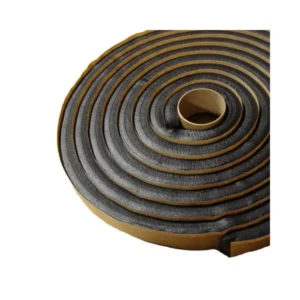
Sika Westec Envirostop TPE-R is a thermoplastic elastomeric rubber waterstop engineered for secondary containment in chemically aggressive environments. The material is a fully vulcanized blend of EPDM and Polypropylene — also known as a Thermoplastic Vulcanizate (TPV) — which gives the finished waterstop the flexibility and sealing characteristics of rubber while remaining heat-weldable like a thermoplastic.
TPE-R is commonly selected for projects where traditional flexible PVC waterstop may not be suitable, including ethanol and biodiesel facilities, petrochemical manufacturing, refineries, pulp and paper mills, fuel storage, pipelines, and pharmaceutical plants. ASTM D-471 testing has shown good resistance across a wide range of chemicals, including oils, fuels, acids, bases, and many solvents. TPE-R is also NSF/ANSI 61 certified for drinking water contact, making it suitable for ozone contact structures and other water treatment applications.
Typical Applications
✓Commonly Specified For
- Ethanol and biodiesel production facilities
- Petrochemical manufacturing plants
- Refineries and fuel storage / tank farms
- Pulp and paper mills
- Land, air, and seaports
- Pipelines and pharmaceutical plants
- Ozone contact structures in water treatment
- Joints with broad chemical exposure
→Other Materials May Be Considered When
- Heavy hydrocarbon exposure is expected (Benzene, Toluene, Xylene) — see PE
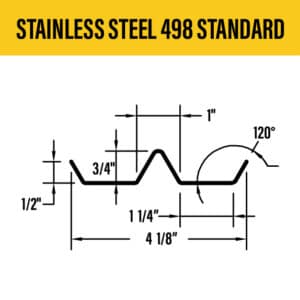
- Service temperatures exceed 250°F (121°C) — see Stainless Steel
- The most severe chemical environments are present — see Stainless Steel
- The application is potable water containment without chemical exposure — see PVC
- Larger joint movements are expected — see the Ribbed Tear Web profiles below
Material and profile selection should always be verified against project specifications and chemical exposure requirements. Contact us if you’d like assistance reviewing options for your application.
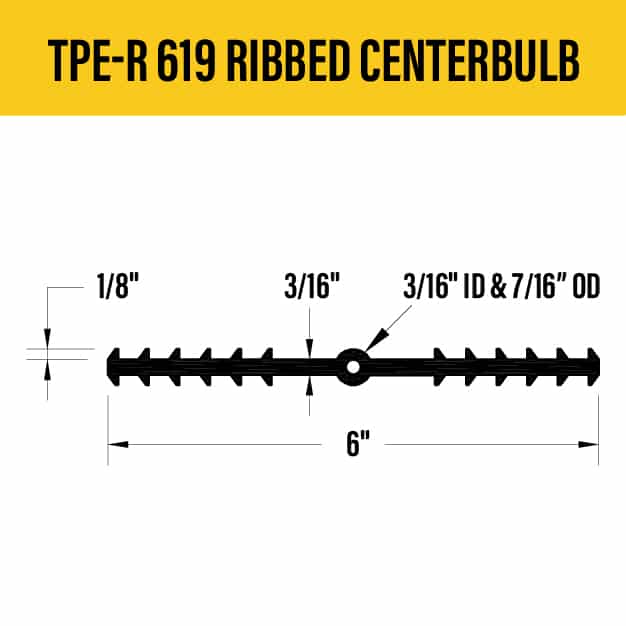
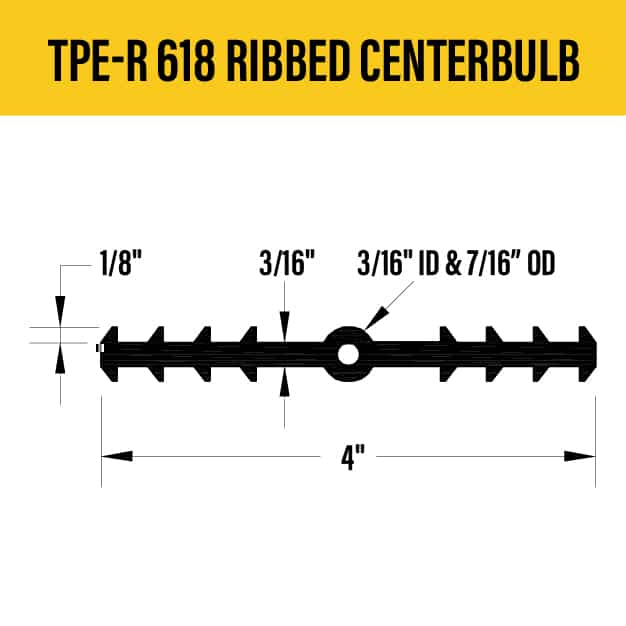
Ribbed Centerbulb Profiles
Ribbed centerbulb is a widely specified profile for movement joints in concrete construction. The centerbulb accommodates vertical and horizontal movement roughly equal to its inside diameter, while the ribbed flanges anchor the profile securely in the concrete on both sides of the pour. Available in TPE-R for control joints, expansion joints, and both vertical and horizontal applications where chemical resistance is a factor.
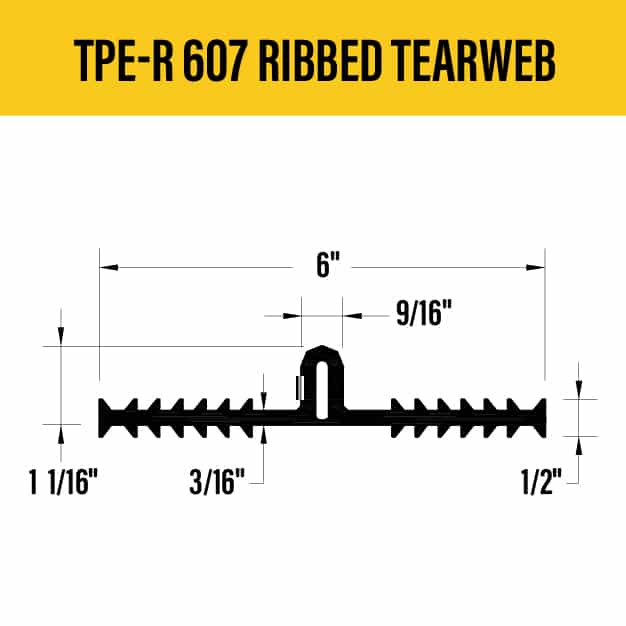
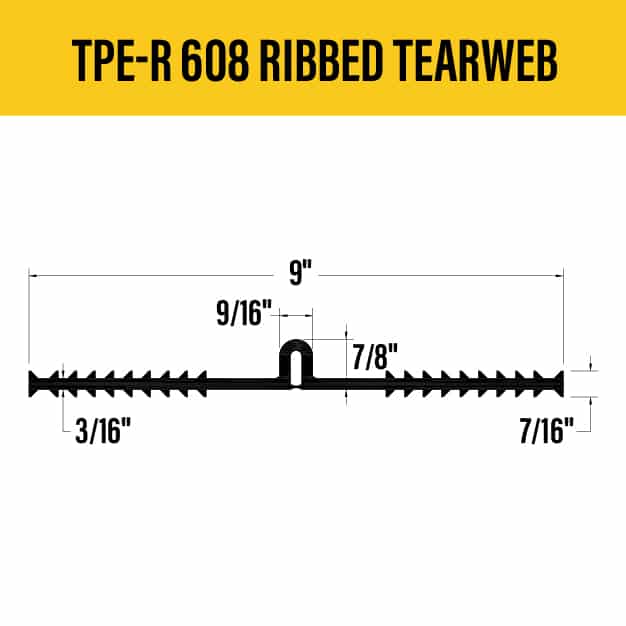
Ribbed Tear Web Profiles
Tear web profiles are designed for joints expecting larger movements than a standard centerbulb can accommodate. When the joint moves, the thin web in the U-shaped centerbulb tears intentionally, allowing the bulb to deform without placing the material in tension. This makes tear web suitable for expansion joints with significant anticipated movement or where differential settlement is a concern. Note that some factory fabrications are limited with this profile.
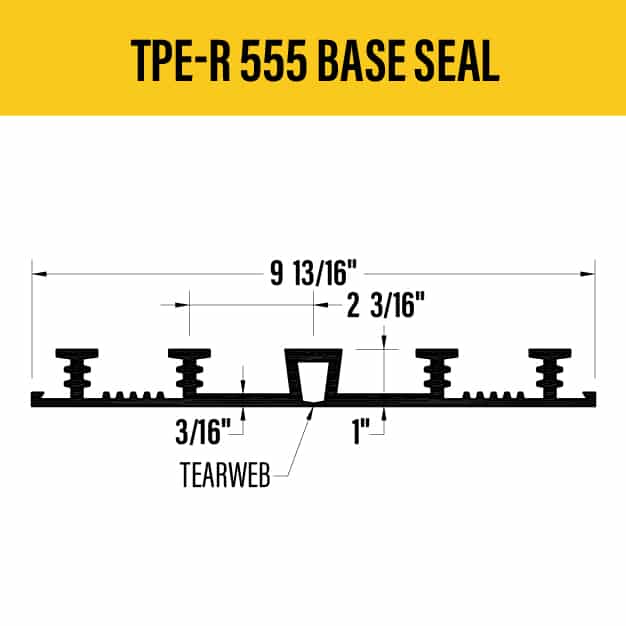
Base Seal Profile
Base seal profiles are designed for slab-on-grade joints or backfilled walls, where the geometry eliminates the need for difficult split forming details. This profile is available only in TPE-R within the Westec line. Note that base seal profiles can be difficult to join to other waterstop profiles, so they may not be the best fit for containment areas where standard waterstops are used at other joints.
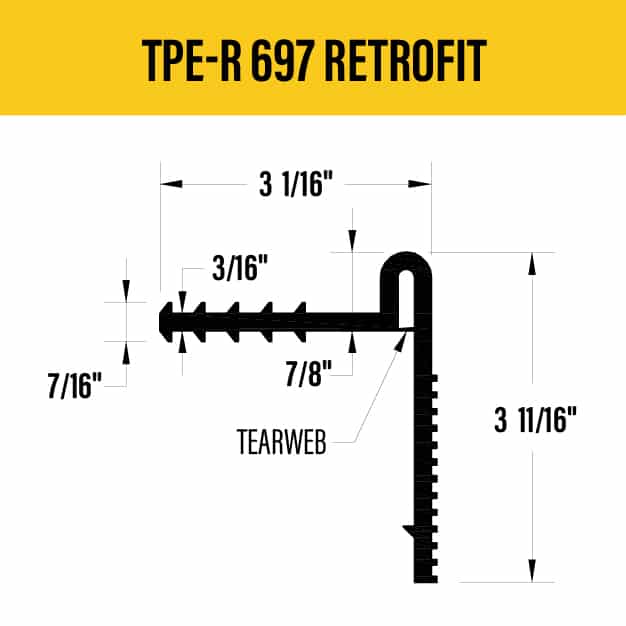
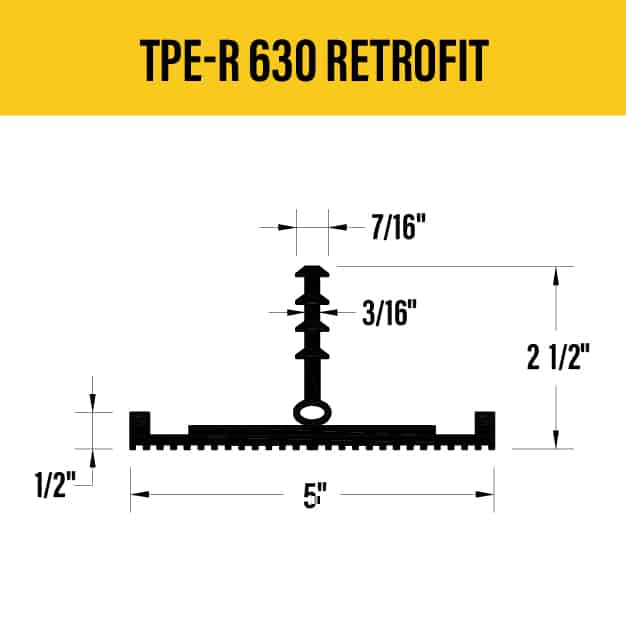
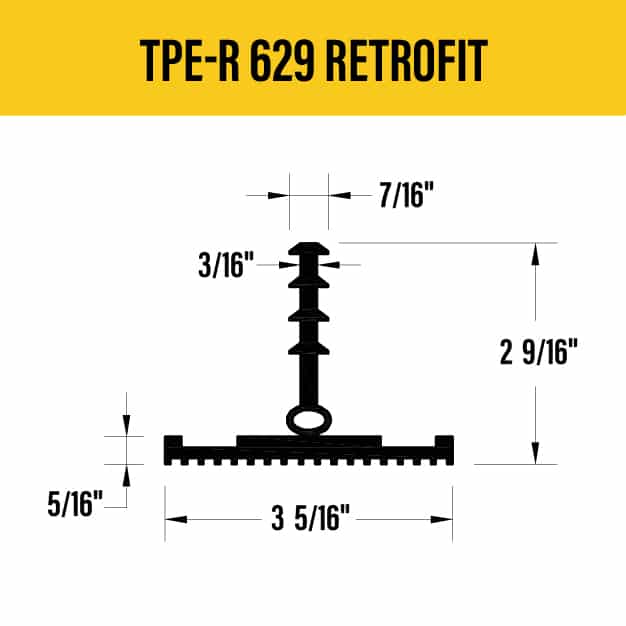
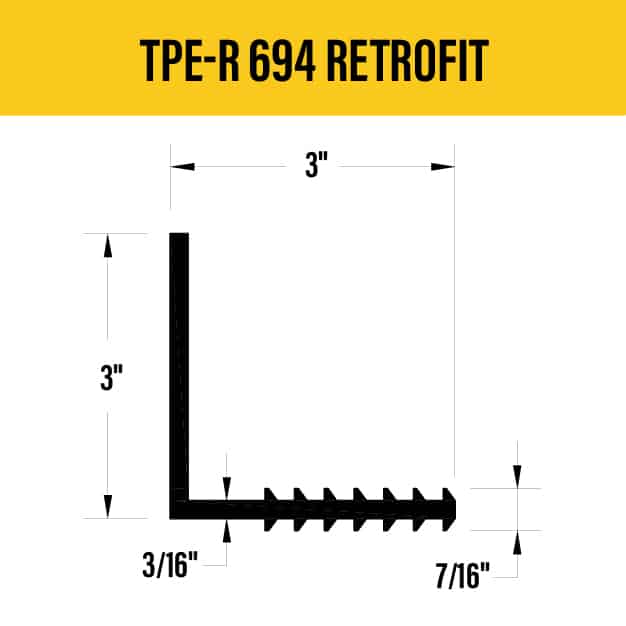
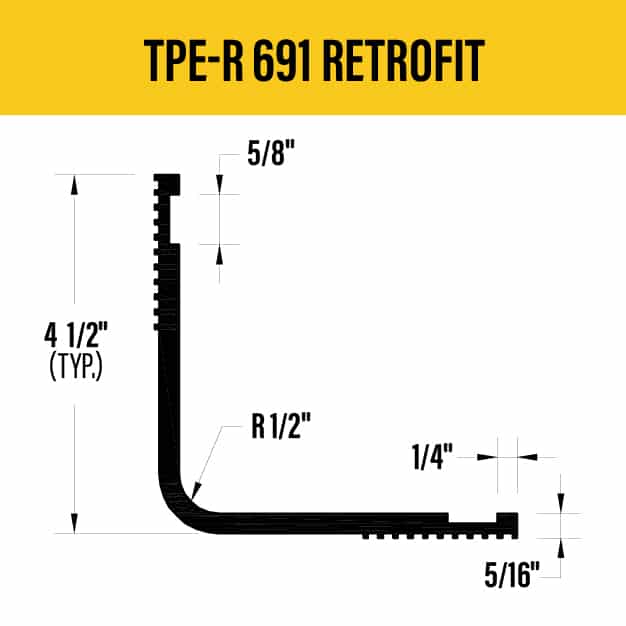
Retrofit Profiles
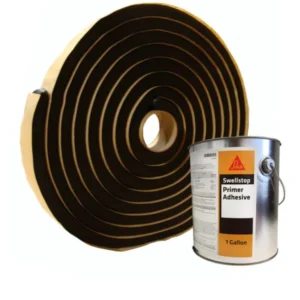
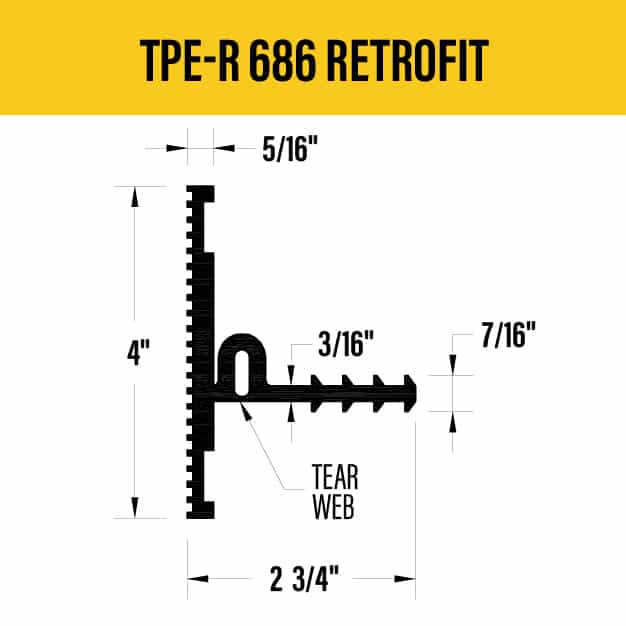
Retrofit profiles are designed for projects where new concrete meets an existing structure — a common situation in modern chemical plants and manufacturing facilities undergoing expansion or modification. Traditional approaches required saw-cutting a groove into the existing concrete and grouting in a waterstop, which is labor-intensive and may cut through existing rebar. Westec retrofit systems anchor to the existing concrete face using stainless steel batten bars and tapcons, with Westec 151 Novolac Gel Epoxy creating a fluid-tight, chemical-resistant seal between the waterstop and the existing concrete.
All retrofit systems include stainless steel batten bars and tapcons. Westec 151 Novolac Gel Epoxy is used to create the seal between the waterstop and existing concrete.
EB Cap Profiles
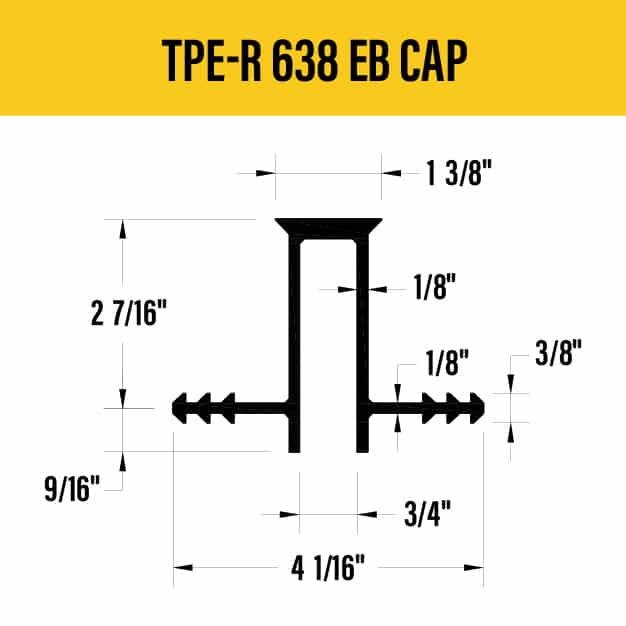
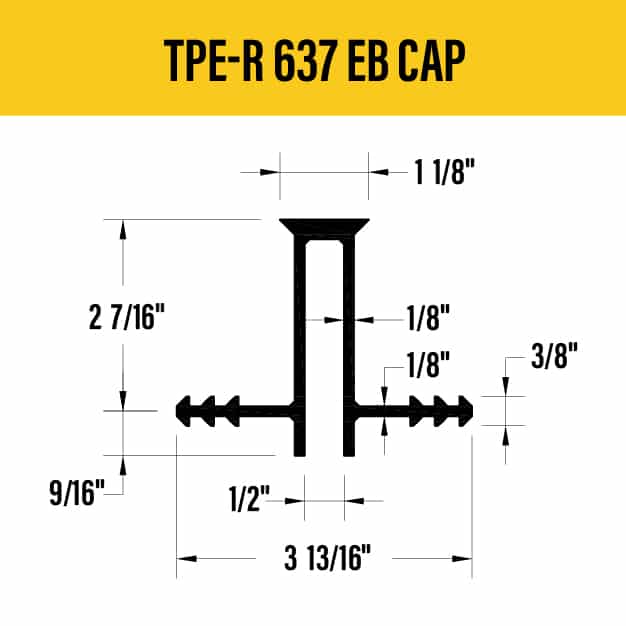
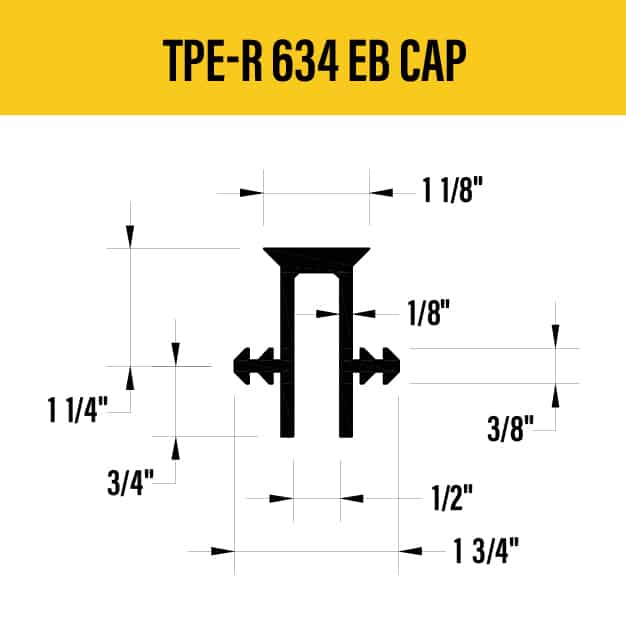
The patented Westec Expansion Board Cap Seal system integrates the waterstop, forming system, expansion board, joint seal, and load transfer units into a single structure. The system is designed for one-step placement, eliminating the need for stripping forms, saw-cutting, or poured-in-place sealants. The integrated design reduces labor and installation time on paving applications and large slab pours.
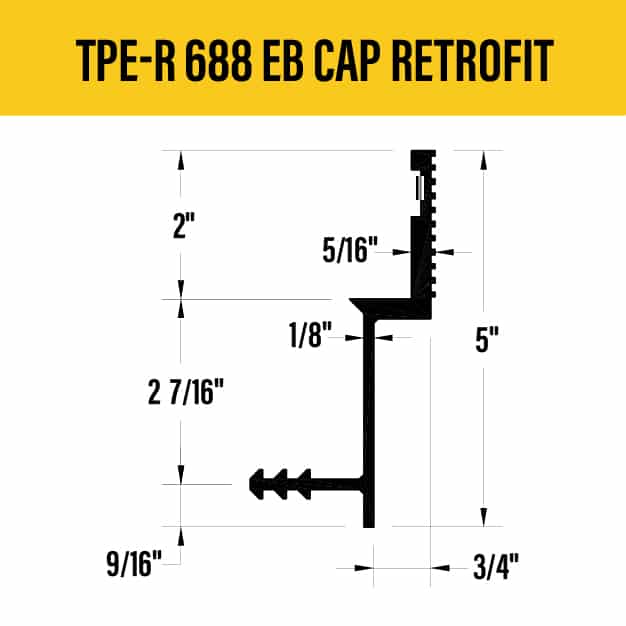
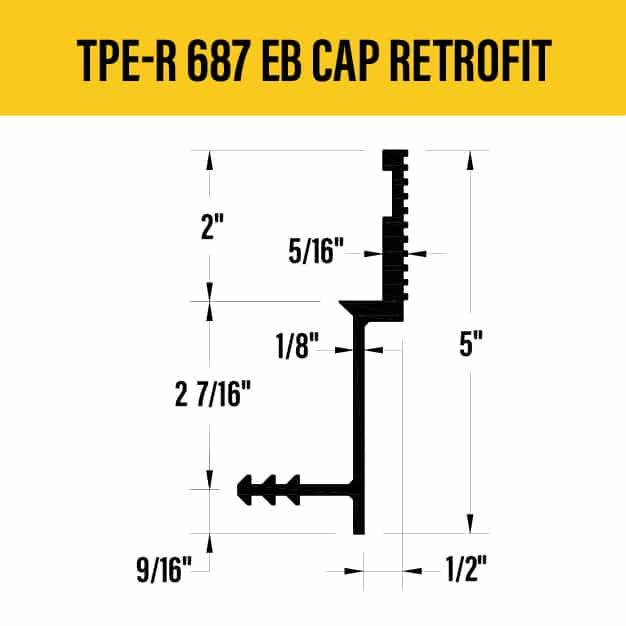
EB Cap Retrofit Profiles
EB Cap Retrofit profiles combine the integrated joint design of the patented EB Cap system with retrofit anchoring for use against existing concrete. These profiles are appropriate when the EB Cap approach is desired for a tie-in or expansion against a previously poured structure. Like other retrofit systems, EB Cap Retrofit installation uses stainless steel batten bars, tapcons, and Westec 151 Novolac Gel Epoxy.
Physical Properties & Compliance
Westec Envirostop TPE-R is a fully vulcanized blend of EPDM and Polypropylene, tested to meet the following industry-standard requirements:
Installation Overview
Westec Envirostop TPE-R must be installed prior to concrete placement to ensure proper positioning and consolidation around the waterstop. All transitions, intersections, and splices should be heat welded to maintain continuity. Sika Greenstreak PVC welding equipment can be used for TPE-R, with the temperature set higher at approximately 410°F (210°C). Factory-fabricated intersections are widely recommended for all changes of direction. Always refer to the manufacturer’s installation guide and project specifications for complete instructions.
Position
Center the waterstop over the joint, with roughly half the profile projecting into each pour.
Secure
Wire the outer flange to reinforcement using brass grommets (pre-punched on 6″ and 9″ profiles) or similar methods.
Splice
Heat-weld field splices at 410°F using a Sika Greenstreak splicing iron. Factory fabrications are recommended at intersections.
Pour
Place and consolidate concrete around both flanges to fully encapsulate the waterstop.